

How to Track Your Food with DIA
What you eat is one part of your health story. Understanding your meals can help you recognize your habits, make more informed choices, and see how your everyday nutrition fits into your health goals.
With DIA, you can record your meals and use food tracking as a practical way to learn more about your eating habits.
1. Start by Recording Your Meals
You don't need to change your diet before you start tracking it. Begin by recording what you normally eat.
Use DIA's Food section to log your meals and food items. Depending on the available entry method, you can search for foods, scan a barcode, or enter meal ingredients manually.
The goal isn't to judge your choices. It's to build a clearer picture of your everyday eating habits.
2. Pay Attention to What Makes Up Your Meal
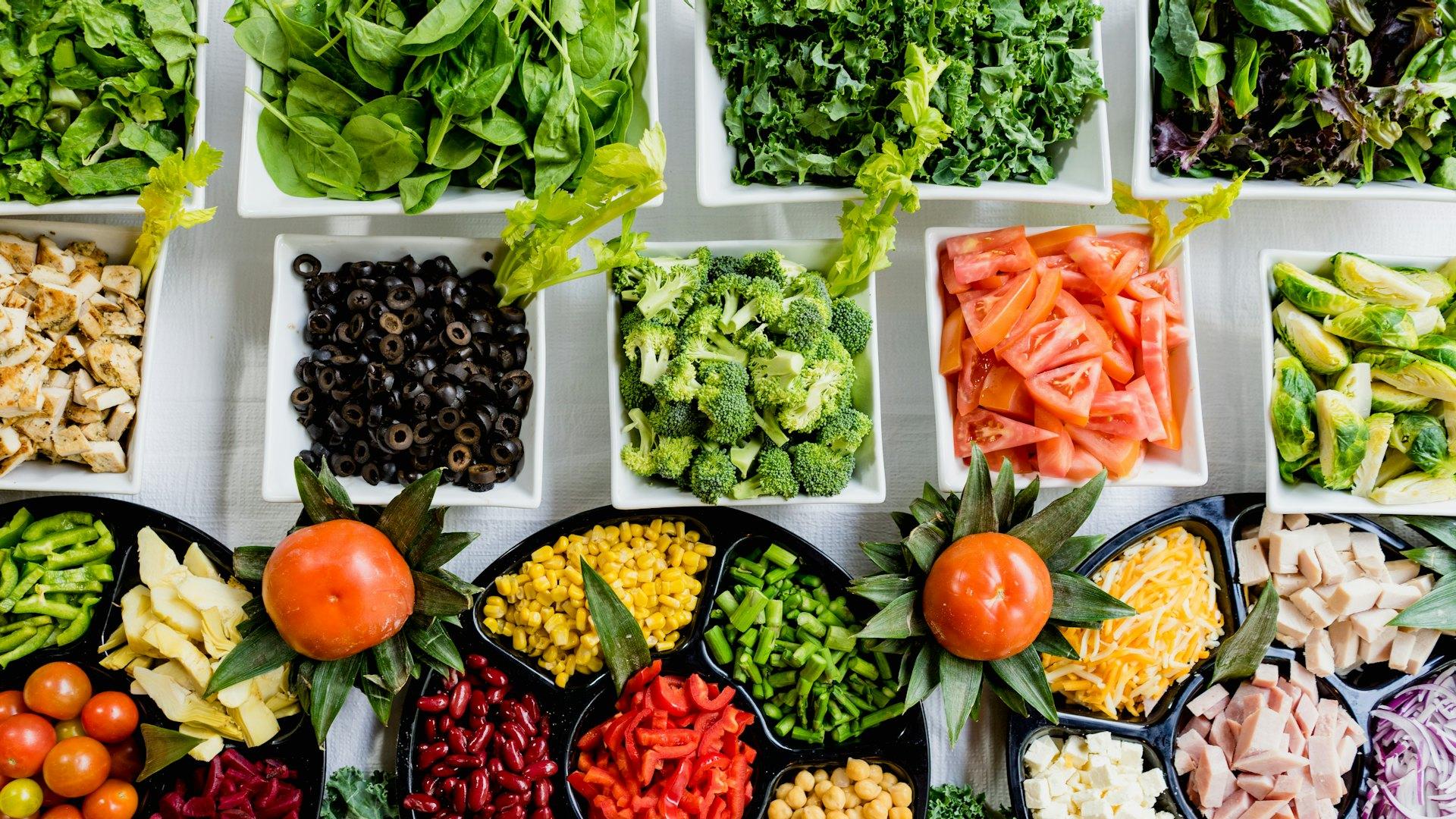
A meal is more than its calories. The combination of foods you eat can provide useful information about your overall nutrition.
When reviewing a meal, consider questions such as:
Does it include a source of protein?
Are there vegetables or other sources of fiber?
What portion sizes am I eating?
Does this meal keep me satisfied, or am I hungry again soon afterward?
These questions can help you reflect on your choices without turning every meal into a complicated calculation.
3. Look for Patterns, Not Perfect Meals
One meal rarely tells the whole story. Your overall routine is often more useful to review than an isolated food choice.
After logging meals for several days, look for patterns. Do you regularly skip breakfast? Are your meals at similar times each day? Do you tend to snack more when you're tired or busy?
If you monitor glucose as part of your care plan, you may also be able to compare meal records with your readings. This can help you discuss possible patterns with your healthcare professional.
Remember that glucose responses can vary depending on many factors, including medication, activity, sleep, stress, and individual differences.
4. Make Small, Realistic Adjustments
Food tracking is most useful when it helps you make choices that fit your life.
Rather than changing everything at once, choose one small adjustment to explore. You might add vegetables to a meal, plan a more balanced breakfast, or pay attention to portion sizes.
Record your meals consistently and review what you learn over time. Focus on progress, not perfection.
5. Build a Habit You Can Maintain
You don't need to record every detail perfectly for food tracking to be useful. Start with the meals that are easiest to remember, then develop a routine that works for you.
The purpose of tracking is to increase awareness,not to create stress or guilt around food.
Start with your next meal. Open DIA, record what you eat, and take one small step toward understanding your habits better.
DIA supports health awareness and lifestyle tracking. It does not diagnose conditions or replace individualized nutrition guidance or medical care.