


How to Recognize Patterns in Your Health Data
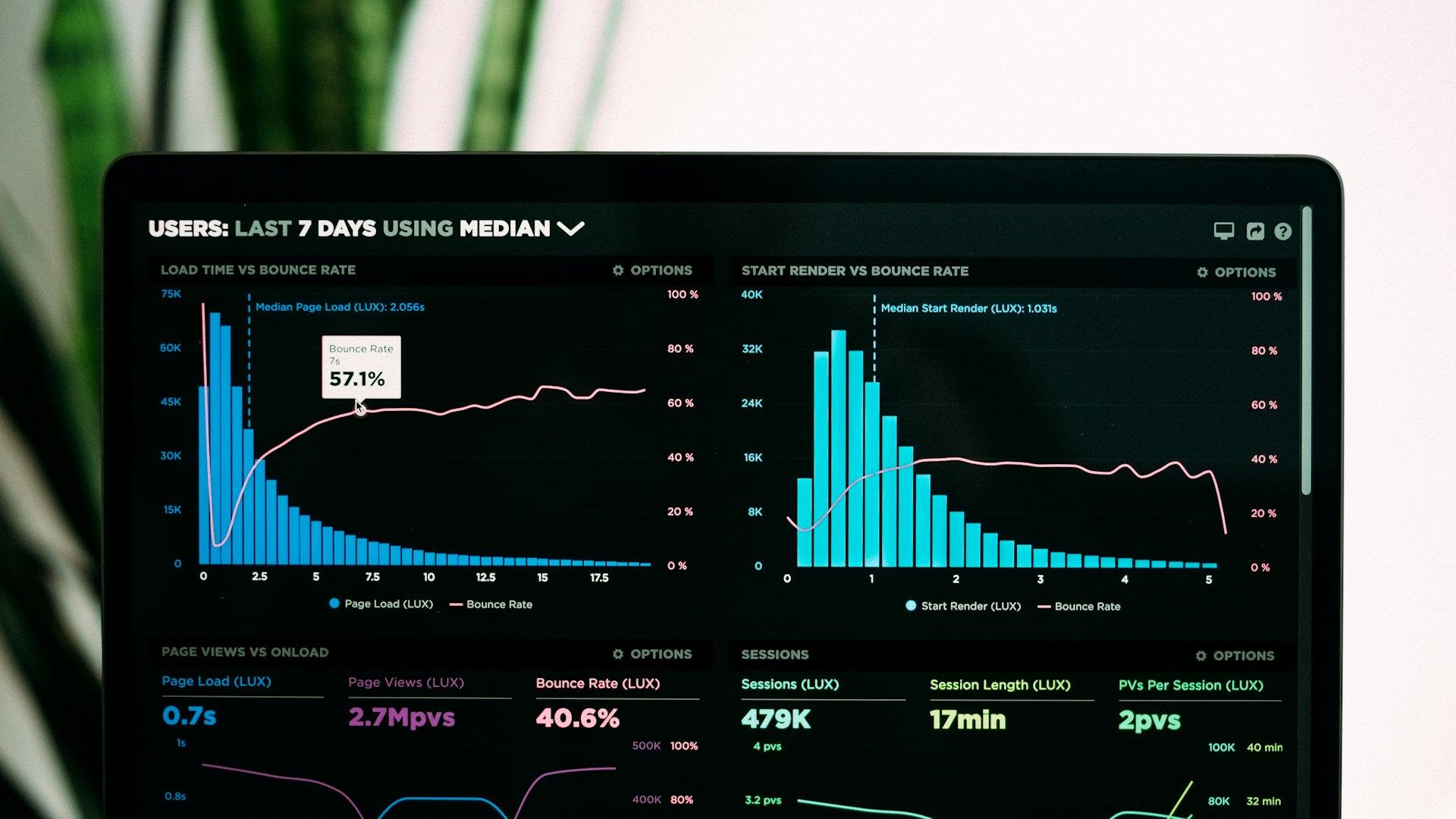
A single health measurement tells you something about one moment. But when you look at your information over time, you may begin to notice patterns that help you better understand your habits.
Your glucose readings, meals, sleep, activity, and other health information each tell part of the story. Looking at them together can give you more context about your everyday health.
Here's how to start recognizing those patterns with DIA.
1. Look Beyond Individual Numbers
It's easy to focus on one reading or one unusual day. But individual measurements don't always tell the full story.
Instead, look at your records across several days or weeks.
Ask yourself:
What has changed over the last 7 days?
Have I noticed recurring patterns?
What has improved, and what still needs attention?
Reviewing trends can help you put individual measurements into context. For medical measurements, follow your healthcare professional's guidance on how to interpret them.
2. Explore Your Glucose and Meal Records
If you track both glucose and nutrition, reviewing these records together may help you identify patterns worth exploring.
For example, you might notice that certain meals are repeatedly followed by different glucose responses. You could also explore whether meal timing, activity, or other recorded factors appear alongside those changes.
Ask DIA questions such as:
When am I most likely to experience glucose spikes?
Which meals or habits are most associated with my glucose spikes?
What should I learn from my recent glucose patterns?
Remember that an association doesn't prove a cause. Glucose can be influenced by medication, stress, sleep, physical activity, illness, and other individual factors.
3. Consider Sleep and Activity Too
Your health information doesn't exist in separate boxes.
Sleep and physical activity are two more areas worth reviewing alongside your other records.
You might ask:
How has my sleep been over the last 7 days?
How does my activity relate to my glucose?
What relationships do you see between my sleep, nutrition, activity, and glucose?
These questions can help you explore possible connections and decide what you may want to investigate further.
Not every pattern will be meaningful, and some relationships may be coincidental. Use the information as a starting point for reflection, not as proof that one habit caused a health change.
4. Use Ask DIA to Explore the Bigger Picture
You don't have to review every metric manually.
Ask DIA can help you explore your recorded information across different time periods and health categories, depending on the data available in your account.
Try asking:
What patterns do you see in my health over the last 2 weeks?
What habits appear to be helping my overall health?
What is the biggest pattern you see across my glucose, nutrition, sleep, and activity?
What should I focus on this week?
These questions can help you move from reviewing individual records to exploring your broader health journey.
The more relevant and consistent your records are, the more context you may have for these conversations.
5. Turn What You Learn Into One Small Step
Recognizing a pattern is useful when it helps you decide what to explore next.
If you notice that your sleep schedule has been inconsistent, you might start by working toward a more regular bedtime. If meal tracking reveals that you often skip meals, you could consider planning your day differently.
Choose one realistic action, observe what happens, and review your information again over time.
Avoid making major changes to medication or prescribed treatment based on patterns identified by an app. Discuss medical concerns and treatment decisions with your healthcare professional.
Your Health Data Is More Useful With Context
Understanding your health isn't about finding a perfect number. It's about building a clearer picture of your habits, recognizing changes, and asking better questions.
DIA helps you bring relevant health information together and use Ask DIA to explore patterns over time.
Start by asking one question about your last 7 days. You may discover something worth paying attention to.
DIA supports health awareness and lifestyle tracking. It does not diagnose medical conditions or replace professional medical advice, diagnosis, or treatment.